
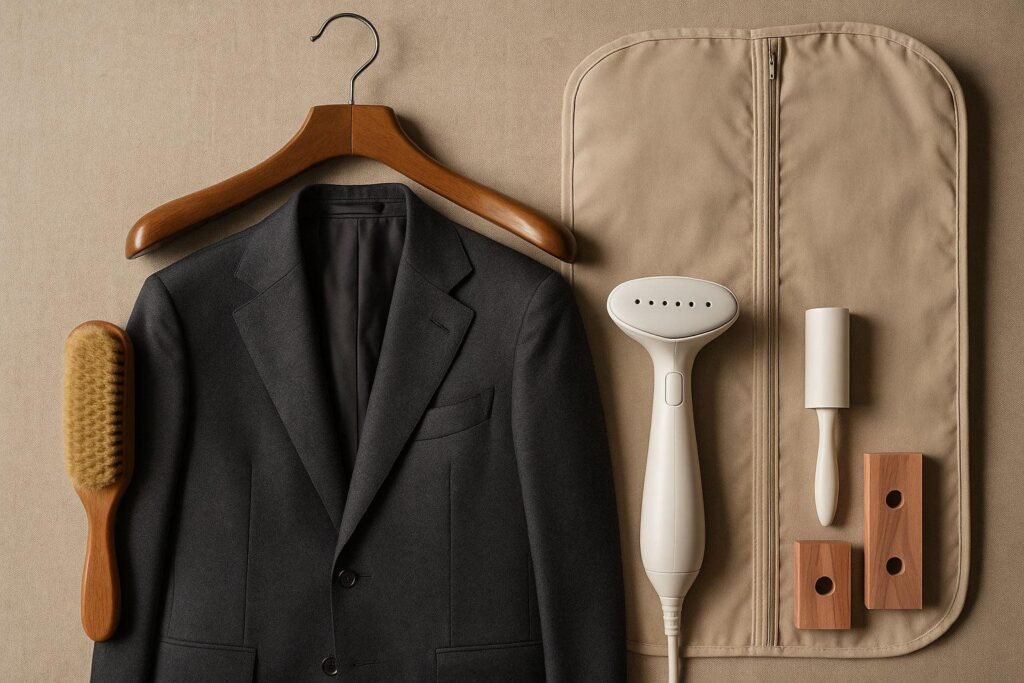
How to Take Care of Your Premium Clothes: A Complete Clothing Care Guide
Premium clothing is an investment in style, quality, and confidence. Whether you own tailored suits, luxury shirts, fine knitwear, premium trousers, or carefully crafted jackets, proper maintenance can make a significant difference in how long your clothes look and feel new. High-quality fabrics often require more attention than everyday clothing. Washing them incorrectly, using excessive heat, storing them improperly, or ignoring small stains can reduce their appearance and lifespan. That is why following a proper clothing care guide is essential for anyone who wants to maintain a sophisticated wardrobe. In this guide, we will explore practical clothing care tips, washing techniques, storage methods, stain-removal advice, and everyday habits that can help your premium clothes remain in excellent condition for years. Why Premium Clothes Need Special Care Premium garments are often made from high-quality materials such as wool, cashmere, linen, silk, cotton, suede, and carefully blended fabrics. These materials provide comfort, durability, and a refined appearance, but they may also require specialized care. A premium garment can lose its shape, color, softness, or structure when exposed to excessive washing, high temperatures, harsh detergents, or poor storage. Taking care of your clothing is therefore not simply about keeping it clean. It is about protecting fabric quality, maintaining fit, preserving color, and extending garment life. A good clothing care routine can also reduce unnecessary spending because well-maintained clothes do not need to be replaced as frequently. 1. Always Read the Care Label The care label should be your first reference whenever you purchase a premium garment. Look for instructions regarding: Machine washing Hand washing Dry cleaning Water temperature Bleaching Ironing Tumble drying Professional cleaning Different fabrics react differently to heat, water, and cleaning products. Following the manufacturer’s instructions is one of the simplest and most effective clothing care tips. If a garment says “dry clean only,” avoid experimenting with home washing methods unless you are certain the fabric can handle them. 2. Avoid Washing Premium Clothes Too Frequently One of the biggest mistakes people make is washing clothes after every single wear, even when they are still clean. Frequent washing can gradually affect fabric fibers, color, texture, and shape. Instead, determine whether the garment actually needs washing. For example, a premium jacket or blazer may only require airing after occasional wear. Trousers and structured garments can often be worn multiple times before professional cleaning, depending on use. Allow clothes to breathe between wears. Hang them in a well-ventilated area rather than immediately putting them into a closed wardrobe. This simple habit can help maintain your premium clothing for longer. 3. Choose the Right Washing Method Different fabrics require different washing techniques. Cotton Premium cotton shirts can often be machine washed using a gentle cycle. Use a mild detergent and avoid excessive heat. Wool Wool garments should generally be handled carefully. Depending on the care label, they may require hand washing or professional dry cleaning. Avoid aggressive washing and high temperatures because wool can shrink or lose its shape. Cashmere Cashmere requires particularly gentle treatment. Use a suitable mild detergent and avoid rough handling. Never wring cashmere aggressively. Linen Linen is relatively durable but can wrinkle easily. Follow the garment’s washing instructions and avoid excessive heat. Silk Silk can be delicate and may require hand washing or professional cleaning. Harsh detergents and high temperatures can damage its fibers. Understanding the characteristics of each fabric is an important part of any effective clothing care guide. 4. Use a Mild Detergent Premium fabrics generally benefit from gentle cleaning products. Avoid using excessive detergent because residue can remain on fabric and affect its texture. For delicate garments, select a detergent specifically designed for sensitive or delicate materials. Also avoid unnecessary bleach unless the garment’s care instructions specifically permit it. The goal is simple: clean your clothes without unnecessarily stressing the fabric. 5. Be Careful With Heat Heat is one of the biggest enemies of premium clothing. Excessive heat from washing machines, dryers, irons, or direct sunlight can cause: Shrinkage Fading Fiber damage Loss of shape Fabric distortion Whenever possible, follow the recommended temperature on the care label. If you use an iron, select the appropriate temperature for the fabric. For delicate materials, consider using a garment steamer instead. 6. Remove Stains Quickly When you notice a stain, act quickly. The longer a stain remains on fabric, the more difficult it may become to remove. However, avoid aggressively rubbing the affected area because this can spread the stain or damage delicate fibers. Instead, gently blot the area using an appropriate clean cloth and follow the garment’s care instructions. For expensive or delicate garments, professional cleaning may be safer than experimenting with household stain removers. This is particularly important for premium suits, silk garments, cashmere, and other delicate materials. 7. Store Your Clothes Properly Proper storage is a major part of clothing maintenance. Use suitable hangers for structured garments such as: Blazers Suits Coats Jackets Formal shirts Avoid thin wire hangers that can distort shoulders or leave marks. For knitwear such as sweaters and cashmere, folding is usually preferable to hanging because prolonged hanging can stretch the fabric. Keep your wardrobe clean, dry, and well ventilated. Avoid overcrowding because garments need enough space to maintain their shape. 8. Protect Clothes From Moths and Moisture Natural fibers such as wool and cashmere can attract fabric-damaging pests. Keep wardrobes clean and regularly inspect stored clothing. Make sure garments are completely dry before placing them in storage. Avoid storing premium clothing in damp environments because moisture can encourage unpleasant odors, mildew, and fabric damage. For long-term storage, breathable garment bags can provide additional protection. Avoid sealing natural fabrics in unsuitable plastic bags for extended periods because ventilation is important. 9. Give Your Clothes Time to Rest Your clothes need a break too. Instead of wearing the same premium shirt, trousers, or jacket every day, rotate your wardrobe. Allowing garments to rest between wears gives fibers time to recover and reduces unnecessary wear in high-friction areas. A simple wardrobe rotation system can